

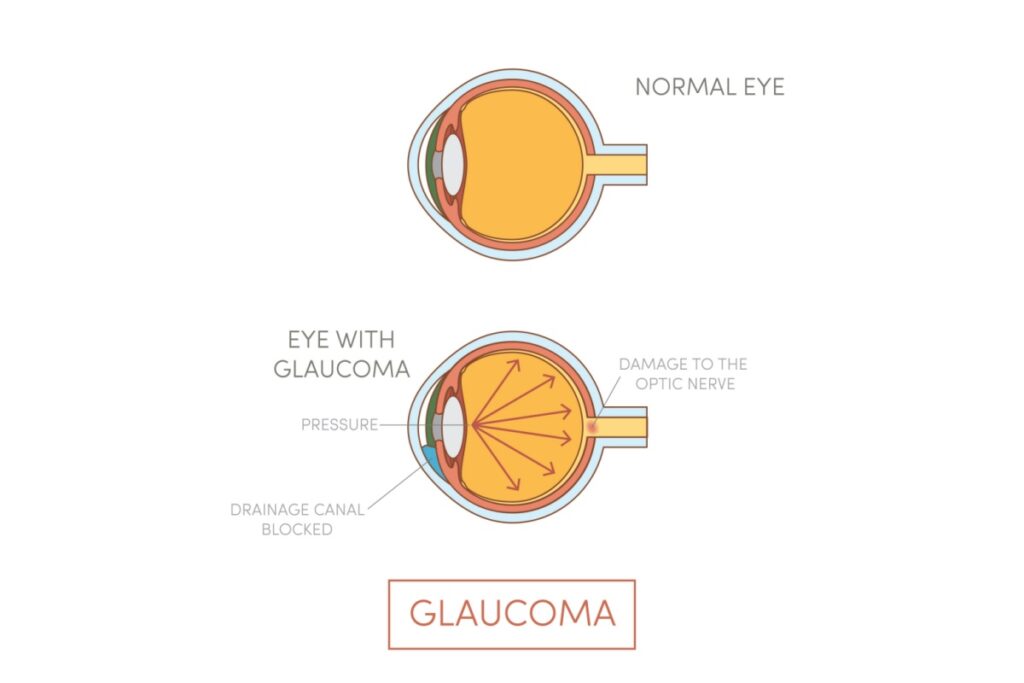
Your family’s eye health history offers important clues about your own vision risks, but it doesn’t guarantee you’ll face the same challenges. Regular comprehensive eye exams allow your optometrist to monitor your eyes closely and detect any changes before symptoms appear
Yes, glaucoma can be hereditary, with genetics playing a significant role in several types of this eye condition. While having a family member with glaucoma increases your risk, other factors also influence whether you’ll develop this sight-threatening disease.
Family History and Your Eye Health Risk
Your genes influence how your eyes handle fluid pressure and how your optic nerves respond to damage. When glaucoma runs in families, you’ll often face a higher chance of developing the condition compared to people without this family connection.
Your family’s eye history helps predict your personal risk level. If your parents or siblings have glaucoma, you’re 4 to 9 times more likely to develop it yourself. This information can help you and your eye care team create a schedule that detects problems early.
During comprehensive eye exams, your optometrist may ask detailed questions about your relatives’ eye health. Our team uses this information, along with your current eye measurements, to assess your risk and recommend appropriate screening intervals. Understanding glaucoma risks can help you make informed decisions about your eye care.
Types of Glaucoma
Glaucoma is a family of diseases, and its different types have distinct relationships with your genetics.
Primary Open-Angle Glaucoma
Open-angle glaucoma accounts for most glaucoma cases and shows the strongest family connection. You face a higher risk when your parents or siblings have this condition, especially if multiple family members are affected.
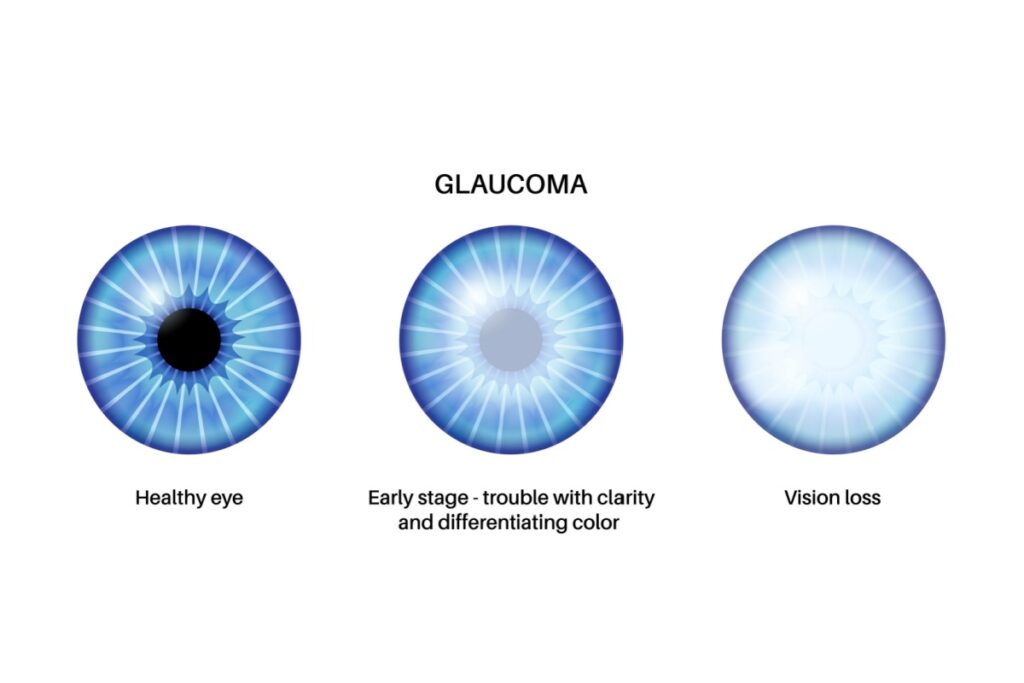
The condition develops slowly without obvious symptoms. You might not notice vision changes until significant damage occurs, which makes regular eye exams particularly important for early detection.
Angle-Closure Glaucoma
There is some evidence that strong genetic factors influence this type, which appears more frequently in certain ethnic backgrounds.
Unlike how open-angle glaucoma can appear slowly, this type can develop suddenly with severe eye pain, headaches, and rapid vision loss. Family history helps identify people who need careful monitoring for early warning signs.
Congenital Glaucoma
Congenital glaucoma is a rare form that appears at birth when parents pass specific genetic mutations to their children. Babies born with this condition need immediate attention from specialists.
An optometrist can identify congenital glaucoma through infant eye exams. Early treatment helps preserve vision and prevents complications that could affect your child’s development.
Risk Factors Beyond Family History
While genetics is a factor for glaucoma, it’s not the only one. Age also increases your glaucoma risk, with people over 60 facing higher chances of developing the condition. Your risk doubles every decade after age 40, regardless of family history.
Certain medical conditions create additional risk factors that compound genetic predisposition. For example, high blood pressure reduces blood flow to the optic nerve, while diabetes damages small blood vessels throughout the eyes. Regular diabetic eye exams help monitor these additional risks.
Your lifestyle choices can influence eye pressure and overall eye health. Regular exercise helps maintain healthy blood flow, while protecting your eyes from UV damage supports long-term vision health.
Early Detection Through Regular Eye Exams
Glaucoma screenings are a standard part of comprehensive eye exams, even for younger patients, because early detection prevents vision loss.
During testing, the team checks your eye pressure, examines your optic nerves, and maps your visual field. Specialized diagnostic technology provides detailed images that help detect early signs of damage, and these measurements create a baseline to track changes over time.
Your family history is an excellent way to determine how often you need these screenings. People with genetic risk factors typically need exams every year, while those without family history may wait longer between visits, but it’s always good to check.
Protection Strategies for High-Risk Families
Just because glaucoma runs in your family doesn’t mean glaucoma is inevitable. You can take specific steps to protect your vision. Regular monitoring helps catch problems before symptoms appear, giving treatment a chance to preserve your sight.
Maintaining overall eye health is key to protecting yourself from glaucoma. Conditions such as dry eye can complicate glaucoma management, so addressing them with dry eye therapy helps maintain your eye’s natural balance.
UV protection plays an important role in eye health maintenance. Quality sunglasses shield your eyes from harmful radiation that can contribute to various eye problems, including glaucoma.
Here are some daily habits that can support your eye health:
- Wear UV protection outdoors
- Maintain healthy blood pressure
- Stay physically active
- Follow medication schedules if prescribed
Your Eye Health Can’t Wait
It’s true, family history affects your eye health risks, but that doesn’t have to be the end of the story. Lake Country Optometry has the knowledge and technology to help protect your vision from dangerous conditions such as glaucoma.
Schedule a comprehensive eye exam to review your family’s vision history and develop a personalized plan to support your vision for years to come.